
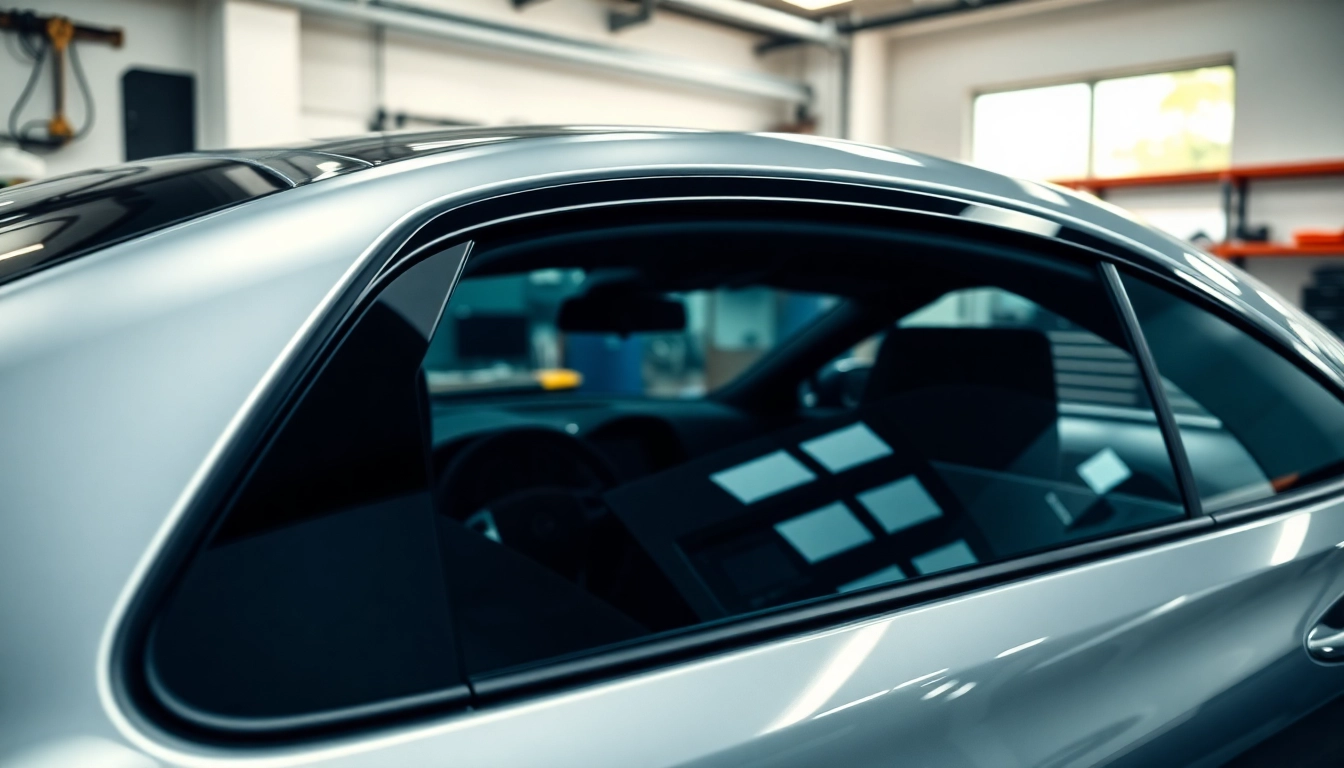

Understanding Ceramic Window Tint
What is Ceramic Window Tint?
Ceramic window tint is an advanced film technology designed to provide superior heat rejection and UV protection. Unlike traditional tints, which often rely on dyes or metallic particles to block sunlight, ceramic window tint uses nano-ceramic technology to offer optimal performance without interference with electronic devices. This innovation not only enhances vehicle aesthetics but also significantly improves comfort by maintaining a cooler interior temperature. Many individuals are investing in ceramic window tint to reap the benefits of this cutting-edge technology.
Benefits of Ceramic Window Tint
Ceramic window tint boasts an array of advantages that make it a top choice for vehicle owners. One of the most significant benefits is its unparalleled heat rejection capability. By blocking up to 99% of harmful UV rays, it helps protect both the vehicle’s interior and occupants from sun damage. Additionally, this type of tint reduces glare, allowing for improved visibility and driving safety. The durability of ceramic window tint is also noteworthy; unlike standard tints that may fade or peel over time, ceramic films are resistant to scratches and discoloration, maintaining their appearance for years.
Different Types of Ceramic Window Tint
Ceramic window tints come in various grades and specifications to meet diverse customer needs. The main types include standard ceramic tints and spectrally selective tints. Standard ceramic tints provide excellent heat rejection and UV protection while enhancing privacy. Spectrally selective tints take it a step further by filtering specific wavelengths of light, offering more precise heat rejection and clarity. Each type caters to different aesthetic and performance preferences, allowing consumers to choose based on their unique requirements.
Installation Process of Ceramic Window Tint
Preparation for Installation
The success of ceramic window tint application hinges on proper preparation. Before installation, the vehicle’s windows must be thoroughly cleaned to remove any dust, dirt, or grease. This ensures a smooth and even application surface. Additionally, it is crucial to check the condition of the windows for any cracks or chips that could compromise the tint’s adhesion. A professional installer will often recommend performing the installation in a controlled environment, free from direct sunlight and wind, to prevent contaminants from settling under the film.
Step-by-Step Installation Guide
1. Cutting the Film: The installer measures and cuts the ceramic film to match the dimensions of the windows.
2. Applying Solution: A special application solution is sprayed on both the window surface and the adhesive side of the film to allow for repositioning during installation.
3. Smoothing the Film: Starting from one edge, the installer applies the film to the window, utilizing a squeegee to smooth out any bubbles or wrinkles.
4. Trimming Edges: Once the film is securely in place, excess material is trimmed away to create a clean finish.
5. Drying: The windows should be left to dry completely, which can take several hours depending on environmental conditions.
Post-Installation Care
After installation, certain precautions are necessary to ensure the longevity of the ceramic window tint. It’s advisable to avoid rolling down the windows for at least three to five days to allow the adhesive to cure fully. Cleaning the windows should also be done using non-abrasive materials and cleaning solutions, as harsh chemicals can damage the film. Following these care instructions helps maintain the tint’s optimal performance and appearance.
Comparing Ceramic Window Tint to Other Options
Benefits Over Traditional Window Tint
Ceramic window tint has several advantages over traditional dyed and metallic window tints. While dyed tints are often more affordable, they offer limited heat rejection and can fade over time. Metallic tints can interfere with electronic signals, which is a significant downside for newer vehicles equipped with advanced technology. In contrast, ceramic window tint excels in performance, providing high levels of UV protection and heat rejection without affecting electronic devices.
Cost Analysis Compared to Other Tints
Initially, ceramic window tint may have a higher price point compared to traditional options. However, when factoring in its durability, energy savings from reduced cooling costs, and protection against interior damage, the long-term investment becomes more favorable. In many cases, the lifespan of ceramic tints outlasts other types significantly, which translates into savings over time.
Performance Comparison of Different Tints
When comparing performance, ceramic window tints clearly stand out. They not only block a higher percentage of UV rays but also have been shown to reduce heat by up to 70%. In contrast, traditional dyed films typically only provide marginal heat reduction. Furthermore, ceramic tints maintain clarity, ensuring a clear view without distortion, which is often encountered with lower-quality films.
Factors Affecting Ceramic Window Tint Performance
Climate Impact on Window Tint Longevity
The climate plays a crucial role in the longevity and performance of ceramic window tint. In areas with extreme temperatures, the film may face additional stress. High heat can strain the adhesive, while harsh cold could lead to curling at the edges. Choosing a high-quality ceramic film can help mitigate these risks, providing consistent performance in varying conditions.
Quality of Installation and Its Effects
The quality of the installation dramatically affects the efficacy of the ceramic window tint. Poor application can lead to bubbles, peeling, and uneven coverage, compromising heat rejection and aesthetic appeal. It is advisable to seek out reputable professionals with experience in installing ceramic window tint to ensure optimal performance.
Choosing the Right Tint Shade
The shade of ceramic window tint can also influence its effectiveness and compliance with local regulations. Darker tints offer more privacy but can also absorb more heat. Therefore, it’s essential to balance personal preference with practicality and legal guidelines to select a suitable shade for both aesthetics and functionality.
Common Questions about Ceramic Window Tint
Is Ceramic Window Tint Worth the Investment?
Absolutely. Ceramic window tint offers long-term benefits such as enhanced heat rejection, UV protection, and durability, making it a worthwhile investment for vehicle owners.
How Long Does Ceramic Window Tint Last?
Ceramic window tint can last between 10 to 15 years or more, depending on installation quality and proper maintenance, outperforming traditional options.
Can Ceramic Window Tint Cause Signal Interference?
No, unlike metallic tints, ceramic window tint is designed to not interfere with electronic signals, making it safe for modern vehicles with advanced technology.
Is it Safe for All Vehicle Types?
Yes, ceramic window tint is safe for all types of vehicles. It adheres to glass effectively without causing any damage, ensuring compatibility and safety.
What Are the Legal Regulations Regarding Tint Levels?
Legal regulations vary by state and country regarding tint levels. It’s crucial to check local laws to ensure compliance for vehicle window tinting before installation.