
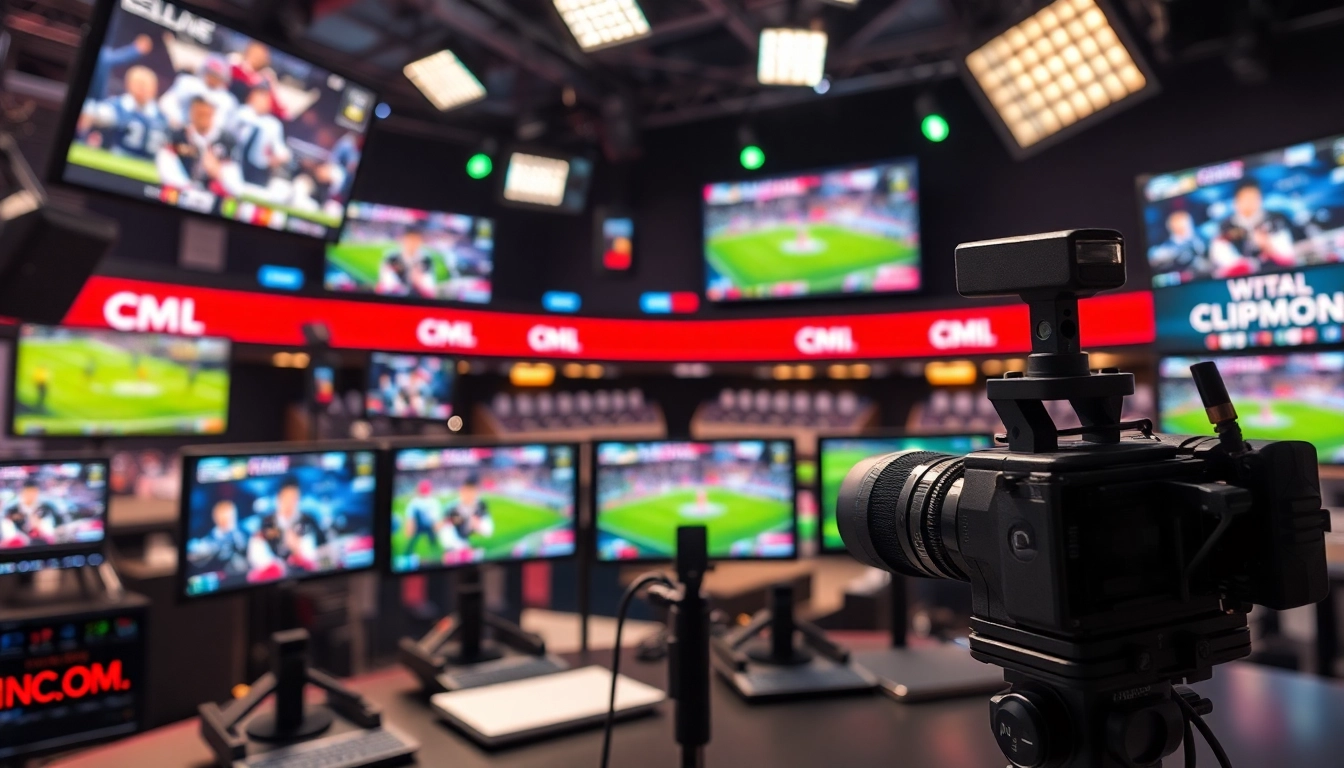
Understanding the Fundamentals of Sports Broadcasting
Definition and Importance of Sports Broadcasting
Sports broadcasting refers to the dissemination of sports content via television, radio, and online platforms. It plays a crucial role in bringing sporting events to fans, fostering communal experiences, and building vast audiences. The essential purpose is not only to inform but also to entertain, providing insights into games, player performances, and behind-the-scenes action. The growth of Sports Broadcasting reflects how technology and audience consumption habits are evolving, making it a dynamic industry that requires constant adaptation and innovation.
Key Components of Sports Broadcasting
Sports broadcasting comprises several key components including:
- Studio Programming: Anchors and commentators provide context and analysis of the games.
- Field Reporting: Reporters gather and present live updates and insights from the event location.
- Production Teams: These teams manage camera setups, sound, and video editing to ensure high-quality broadcasts.
- Technology: Advanced production technology, including HD cameras and broadcasting software, enhances the viewer experience.
- Distribution Channels: The content must be distributed through various media, including cable, satellite, and streaming services.
Roles and Responsibilities in Sports Broadcasting
In sports broadcasting, various roles work in harmony to ensure effective delivery of content. These include:
- Commentators and Analysts: Provide expert commentary and insights during broadcasts.
- Producers: Oversee the production process, ensuring everything runs smoothly.
- Camera Operators: Capture real-time footage from multiple angles, enhancing the viewer experience.
- Reporters: Cover events, conduct interviews, and provide live updates to the audience.
- Editors: Piece together highlights and create packaged content for various platforms.
Technology in Sports Broadcasting
Modern Equipment Used in Sports Broadcasting
The landscape of sports broadcasting has transformed dramatically due to advancements in technology. State-of-the-art equipment includes:
- High-Definition (HD) and Ultra HD Cameras: Provide clear and detailed visuals, making the broadcast more engaging.
- Wireless Microphones: Capture sound effectively, allowing for clearer communication with players and fans.
- Graphics Software: Used for on-screen statistical displays and score updates, providing viewers with real-time information.
- Playback Systems: Allow for replays and highlights to be shown instantly during live events.
- Mobile Broadcasting Units: Enable broadcasters to transmit coverage in remote locations.
Importance of Software and Digital Tools
Software plays a crucial role in sports broadcasting by enhancing production quality and efficiency. Essential software includes:
- Editing Software: Such as Adobe Premiere and Final Cut Pro, is essential for assembling highlights.
- Graphics Programs: Used to design dynamic visual content and statistics graphics for broadcasts.
- Live Streaming Platforms: Facilitate real-time broadcasting to audiences worldwide.
- Social Media Tools: For audience engagement, sharing snippets, and increasing viewership on various platforms.
Trends in Sports Broadcasting Technology
As technology evolves, so does sports broadcasting. Key trends include:
- Augmented Reality (AR) and Virtual Reality (VR): AR overlays statistics and data onto live images, while VR creates immersive viewing experiences.
- Artificial Intelligence: AI is used for data analysis, predicting outcomes, and enhancing viewer personalization.
- Streaming Services Growth: Increasingly, fans consume sports through OTT platforms, leading to higher demand for digital content.
- Enhanced Fan Interaction: Technologies like interactive graphics allow viewers to engage with broadcasts more deeply.
Creating Compelling Content for Sports Broadcasting
Storytelling Techniques in Sports Broadcasting
Compelling storytelling is at the heart of successful sports broadcasting. Key techniques include:
- Character Development: Focusing on player backgrounds and personal journeys adds depth to the coverage.
- Conflict and Resolution: Highlighting rivalries and challenges makes for more riveting narratives.
- Visual Storytelling: Using dynamic footage and graphics to narrate the story visually enhances viewer engagement.
- Emotion and Relatability: Crafting emotional narratives that resonate with fans fosters a deeper connection with the sport.
Researching and Analyzing Sports Events
Thorough research and analysis are crucial. Steps include:
- Understanding Team Histories: Knowledge of past performances helps inform current game outlooks.
- Statistics and Metrics Analysis: Using data to inform discussions and presenting insights to audiences.
- Interviews with Experts: Engaging with coaches and players provides unique perspectives that enhance storytelling.
Interviewing Techniques for Engaging Audiences
Effective interviewing techniques create engaging content. Consider these tips:
- Preparation: Researching the interview subject informs better questions and leads to more insightful answers.
- Open-Ended Questions: These encourage subjects to expand on their thoughts rather than giving simple "yes" or "no" answers.
- Listening Actively: Responding to the interviewee's points fosters a more authentic dialogue.
- Sensitivity: Respecting the emotional landscape will enhance depth in interviews, particularly after tough games.
Live Coverage Techniques and Strategies
Planning for Live Sports Broadcasts
Effective planning is key to delivering smooth live broadcasts. Essential strategies include:
- Pre-Event Meetings: Coordination among teams to discuss roles and logistics ensures everyone is on the same page.
- Detailed Run Sheets: These documents outline the broadcast sequence, cueing anchors and reporters as needed.
- Backup Plans: Ensuring contingencies for technical difficulties will help maintain flow during live events.
Managing Live Coverage Challenges
Challenges are part of the live broadcasting experience. Strategies to manage include:
- Technical Failures: Building familiarity with equipment and having support technicians on standby can minimize disruption.
- Unexpected Events: Flexibility in reporting allows for real-time adjustments in coverage.
- Crowd Control: Keeping the audience informed and entertained during interruptions is crucial for maintaining viewer interest.
Engaging Viewers During Live Coverage
Captivating the audience throughout the broadcast can enhance overall viewer retention. Techniques include:
- Interactive Elements: Including polls and viewer questions can actively engage the audience.
- Real-Time Social Media Updates: Live-tweeting and responding to fans can foster a sense of community.
- Dynamic Commentaries: Keeping commentary lively and informative maintains audience interest throughout the event.
Measuring Success in Sports Broadcasting
Key Performance Indicators for Sports Broadcasting
Evaluating performance is vital for assessing success. Key indicators include:
- Viewership Ratings: Measuring how many people watched the broadcast is critical for understanding reach.
- Audience Retention Rates: Tracking how long viewers stay engaged helps identify compelling content.
- Social Media Engagement: Likes, shares, and comments provide insight into audience interaction and interest levels.
- Sponsorship and Ad Revenue: Financial performance can indicate success in attracting advertisers based on audience numbers.
Analyzing Audience Engagement and Feedback
Understanding audience reactions can lead to more successful broadcasting. Strategies include:
- Surveys and Polls: Gathering viewer feedback can provide data on preferences and areas for improvement.
- Focus Groups: Conducting discussions with a sample audience can yield in-depth insights.
- Monitoring Online Conversations: Observing what fans say on social media can offer real-time feedback on broadcasts.
Adjusting Strategies Based on Metrics
Utilizing audience feedback to adjust strategies is essential for growth. Consider these practices:
- Data-Driven Decision Making: Analyze metrics to inform content strategy and format adjustments.
- Trend Analysis: Identifying content trends allows broadcasters to deliver what audiences want most.
- Adaptability: Being flexible and willing to change approaches ensures long-term relevance and success.
FAQs
What skills are essential for sports broadcasting?
Essential skills include communication, analytical thinking, tech proficiency, and storytelling ability.
How can I get started in sports broadcasting?
Consider internships at media outlets, taking broadcasting courses, and building a personal portfolio.
What technology is vital for sports broadcasting?
Key technology includes cameras, microphones, broadcasting software, and reliable internet connectivity.
How important is audience engagement in sports broadcasting?
Audience engagement is crucial for building loyalty and ratings, which significantly impact overall broadcasting success.
What are common challenges in sports broadcasting?
Common challenges include equipment failures, unexpected events, and maintaining viewer interest during coverage.