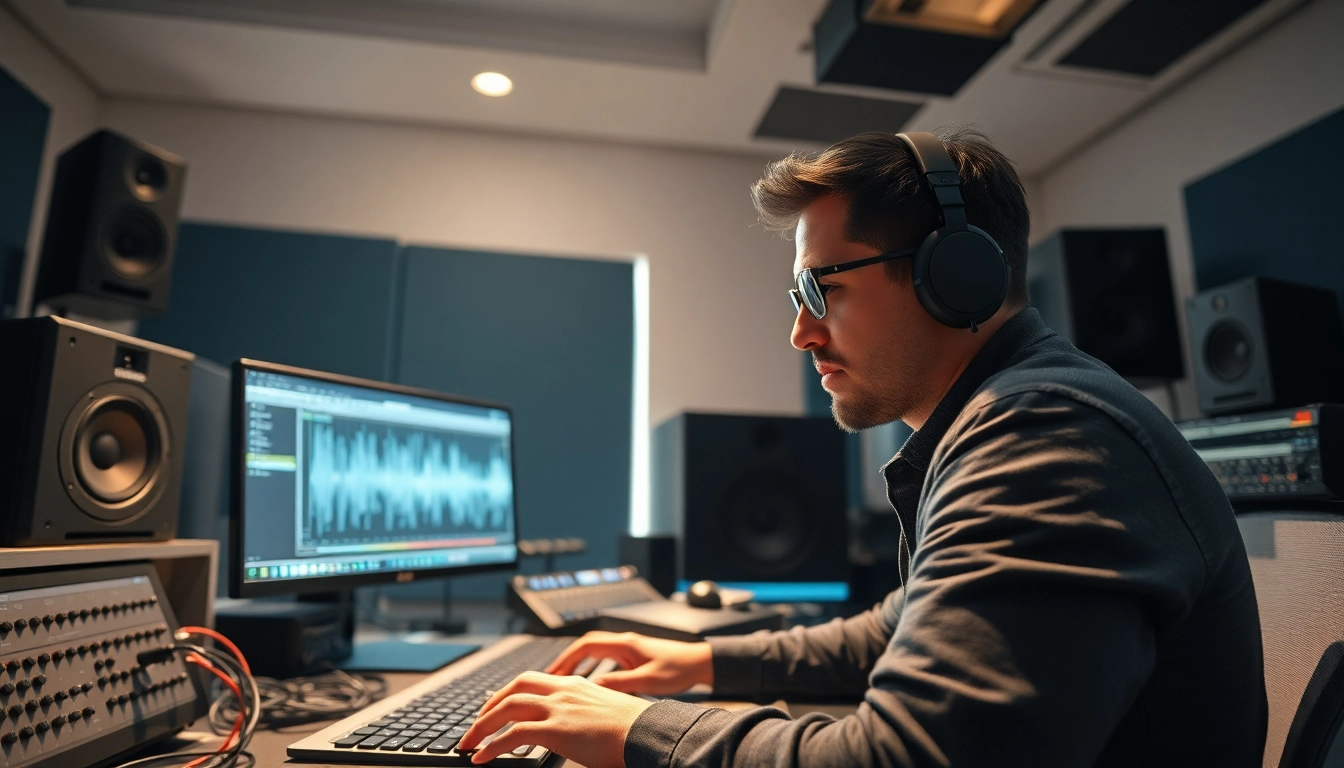
Understanding Online Audio Mastering
In today's digital age, creators are leveraging technology to streamline various aspects of music production, and one such critical component is online audio mastering. This essential process involves taking a final mix and elevating it to a polished end product that is ready for distribution, streaming, or sale. It incorporates numerous techniques and tools aimed at enhancing sound quality, balancing audio levels, and ensuring the final track stands out. But what exactly is online audio mastering, and how can it aid artists and musicians in their pursuits? Let’s dive in.
What is Online Audio Mastering?
Online audio mastering is the final step in the music production process, whereby the mixed audio tracks are refined to create a cohesive and professional-sounding final version. It involves manipulating the overall sound of the track through various methods such as equalization, compression, limiting, and stereo enhancement. By addressing sonic inconsistencies and optimizing sound quality, mastering helps to ensure that tracks not only sound great across different playback systems but also hold their own when compared to commercial releases.
Benefits of Using Online Audio Mastering
Choosing online audio mastering offers multiple advantages:
- Accessibility: Online mastering services are widely available, allowing artists from all corners of the world to access professional-quality mastering without geographical constraints.
- Cost-Effective: Online options often present affordable plans compared to hiring a professional studio, making it a viable choice for independent musicians.
- Convenience: The entire process can be completed from the comfort of your home, with easy uploads and downloads, eliminating the need for in-person visits.
- Fast Turnaround: Many services provide quick results, allowing artists to release their music promptly while maintaining quality.
- Unbiased Results: Working with online mastering services can remove some emotional attachments to the music, leading to more objective mastering outcomes.
Choosing the Right Service for Your Needs
Selecting the ideal online mastering service depends on various factors, including budget, genre, desired sound, and level of professionalism. When evaluating options, consider:
- Samples and References: Review samples of previous work from the service to determine if their style aligns with your vision.
- Tailored Services: Some platforms offer genre-specific mastering, which is essential for widely varied sounds within the music industry.
- Feedback Options: Good services provide constructive feedback or revisions, which is crucial for refining sound.
- Technical Support: Ensure that the service has a reliable support team for any questions or technical issues that may arise.
Key Techniques in Online Audio Mastering
Essential Tools for Effective Mastering
Effective mastering relies on a variety of tools and software to achieve the desired sound. Some essential tools in the online audio mastering process include:
- Equalizers (EQ): Used to adjust frequencies throughout the mix, enhancing clarity and balance.
- Dynamic Processors: Compressors and limiters control the dynamic range, ensuring that loud sounds don't overpower softer ones.
- Stereo Imaging Tools: Enhances the perceived width of the track, allowing for a more immersive listening experience.
- Reverb and Effects: Can add depth and spacing to audio, making it feel more cohesive and polished.
- Metering Tools: Visual feedback on levels, loudness, and stereo balance, critical for achieving top-quality results.
Common Practices for Sound Optimization
Sound optimization is vital to achieving a professional finish. Here are some common practices:
- Balanced EQ: Start by equalizing each track, eliminating problematic frequencies and emphasizing essential ones.
- Controlled Dynamics: Use compression to bind the elements of your mix together while ensuring no part feels overly squashed.
- Loudness Matching: Ensure your track’s loudness aligns with commercial music standards without sacrificing dynamic range.
- Reference Tracks: Regularly compare your master with professional tracks in the same genre to gauge quality.
Advanced Techniques for Professional Results
For those looking to push their mastering skills a step further, advanced techniques can make a significant difference:
- Mid/Side Processing: This allows for more intricate control over your stereo field, helping achieve clarity in dense mixes.
- Harmonic Exciters: Used to add subtle brightness and sparkle, enhancing overall fidelity without harshness.
- Analog Emulation: Incorporating analog modeling plugins can add warmth and character, replicating the traditional analog sound.
- Automated Mastering: Leveraging AI and machine learning tools allows for rapid iterations based on intelligent algorithms.
Challenges in Online Audio Mastering
Identifying Common Pitfalls
While online audio mastering offers numerous benefits, it also presents several challenges. Here are common pitfalls to be cautious of:
- Over-compression: This can lead to a lifeless track where dynamic range is lost. Strive for balance instead.
- Neglecting Reference Tracks: Failing to reference commercial tracks can lead to inconsistent sound quality.
- Ignoring Format Specifications: Each platform has its requirements. Ensure mastering meets these standards for streaming or distribution.
- Misunderstanding Feedback: Differentiating constructive feedback from bias is crucial for a quality outcome.
How to Avoid Mixing Errors
The mixing phase is instrumental in ensuring a successful mastering process. To avoid mixing errors that could complicate mastering:
- Keep Your Mixes Clean: Avoid excessive effects that can muddy the mix; aim for clarity at this stage.
- Check Phase Issues: Ensure all tracks are in phase; phase discrepancies can lead to significant loss of sound quality.
- Leave Headroom: Generally, mixing should leave enough headroom (around -6 dB) for mastering to add effects without clipping.
- Take Breaks: Golden rule: ears get fatigued. Take breaks to maintain a fresh perspective.
Dealing with Different Music Genres
Each music genre has distinct characteristics that require tailored approaches to mastering:
- Pop: Often calls for polished highs and balanced mids; rhythm is key.
- Rock: Prioritize punchy dynamics and clear guitar presence while maintaining the energy.
- Classical: Focus on preserving the nuance and depth of instruments, often requiring wider dynamic ranges.
- Electronic: Emphasize bass and synth presence, sharp transients, and clarity in high frequencies.
Step-by-Step Guide to Online Audio Mastering
Preparing Your Tracks for Mastering
Preparation plays an essential role in mastering. To effectively prepare your tracks:
- Export Audio Correctly: Ensure mixes are exported in high quality without additional effects (like limiting) unless intended for final mastering.
- Organize Your Tracks: Label all your tracks clearly for easier management during the mastering process.
- Use High-Quality Source Files: Utilize lossless formats such as WAV or AIFF for the best sound fidelity.
Using Online Tools Effectively
To maximize the potential of online platforms for mastering, consider:
- Utilizing Built-In Tools: Familiarize yourself with the mastering tools that the platform provides for optimal use.
- Using Analytic Feedback: Pay attention to the tools that analyze your work; they often reveal key insights into mastering deficiencies.
- Watching Tutorials: Many services offer tutorials; investing time in learning the platform can significantly elevate your work.
Finalizing Your Master: What to Look For
Before finalizing your master, ensure you:
- Check on Multiple Devices: Play your track on various systems (headphones, speakers, car audio) to gauge sound quality across environments.
- Confirm Levels: Verify that your track doesn’t distort and falls within acceptable loudness ranges without losing dynamic integrity.
- Review All Details: Ensure metadata is correctly inputted, including track name, artist, and other relevant details.
FAQs about Online Audio Mastering
How long does online audio mastering usually take?
The time varies by service but typically ranges from a few hours to a few days, depending on demand and the complexity of the track.
What file formats are accepted for online audio mastering?
Most services accept high-resolution formats such as WAV and AIFF, but you should check individual service specs for precise requirements.
Can I get revisions once the mastering is done?
Many online mastering services offer revision options, but policies vary, so be sure to verify the details before placing an order.
Is online audio mastering suitable for all genres?
Yes, online audio mastering can cater to all genres; however, different genres may require specific approaches to achieve the best results.
What are the costs associated with online audio mastering?
Costs fluctuate based on the service and features selected, often beginning at lower price points for basic mastering and ascending for more extensive features.